






![Can you Cook Eggs in the Microwave? [Complete Guide]](/assets/images/c1f79d1cad59f18f9b5dc31403bd0eb2.png)

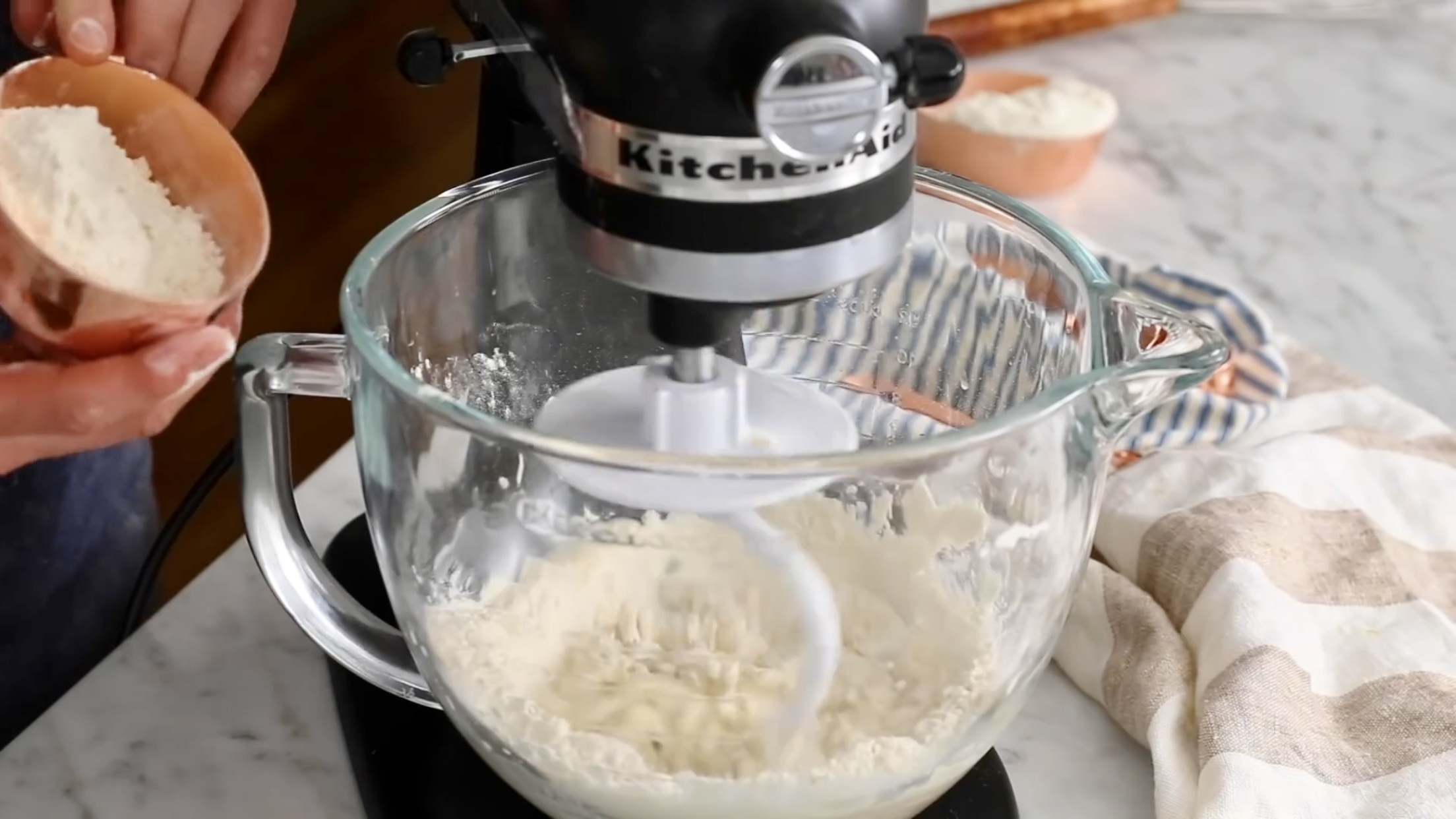







You must turn your plain-Jane all-purpose flour into the Lolita of self-rising flour – but that transformation is not as hard as it sounds.
You simply add the correct amount of leavening (1-1/2 teaspoons of baking powder) and the correct amount of salt (1/2 teaspoon) for every cup of all-purpose flour called for in your recipe. You can omit two teaspoons of each cup of well-mixed, homemade self-rising flour if you are concerned about the added volume.
You may not use all-purpose flour in a recipe calling for self-rising flour without making these changes. Your baked item will not rise and it will not have as much flavor – which will not matter, because it will not have risen and who will want to eat it?
(We hereby apologize to all Janes, knowing that they are not plain, that beauty is only skin-deep, that one doesn't judge a book by its cover, and that the expression only stems from the relative simplicity of the name, which through millennia and a variety of languages originally meant "God is gracious," and what is plain about that?)
(Lolitas are on their own. Actually, Lolitas are seldom on their own.)